Containment vs. Prevention: Choosing the Right Level Sensor for Hazardous Areas
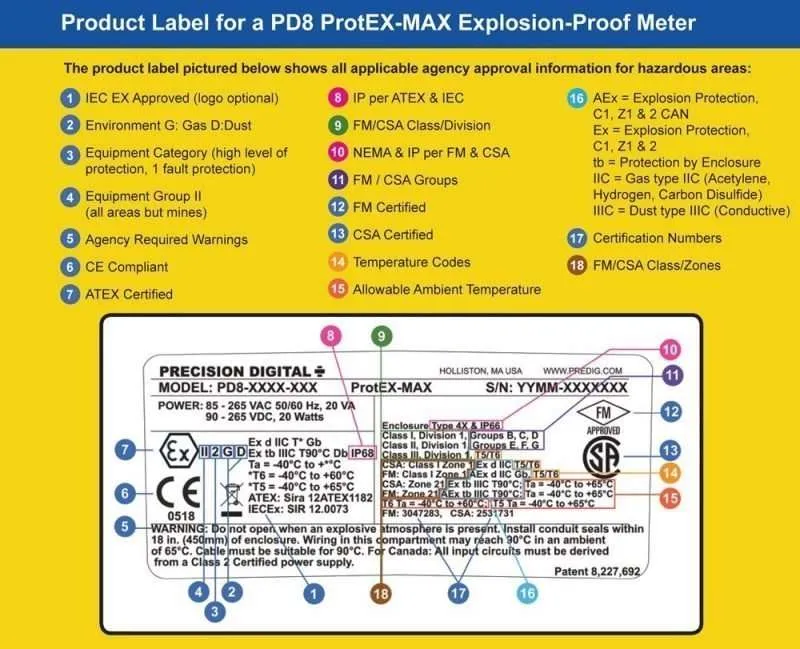
In any industrial plant that handles flammable gases, vapors, or combustible dust, safety is the top priority. Monitoring liquid levels in these hazardous locations requires specialized sensors that won’t become an ignition source. Two of the most trusted safety standards for these sensors are Explosion-Proof and Intrinsically Safe. While both are designed to prevent catastrophes,
Containment vs. Prevention: Choosing the Right Level Sensor for Hazardous Areas Read More »

What is a ThermoHygrometer and How Does It Work?
Thermohygrometers measure both temperature and humidity — critical factors in many industrial environments. But how do you choose the right one? In this guide, we’ll explain the types of thermohygrometers, what to look for in specs, and why accuracy matters. What is a ThermoHygrometer? A thermo hygrometer is an instrument used to measure the temperature
What is a ThermoHygrometer and How Does It Work? Read More »

Optimizing Boiler Performance: The Importance of Drum Level Control
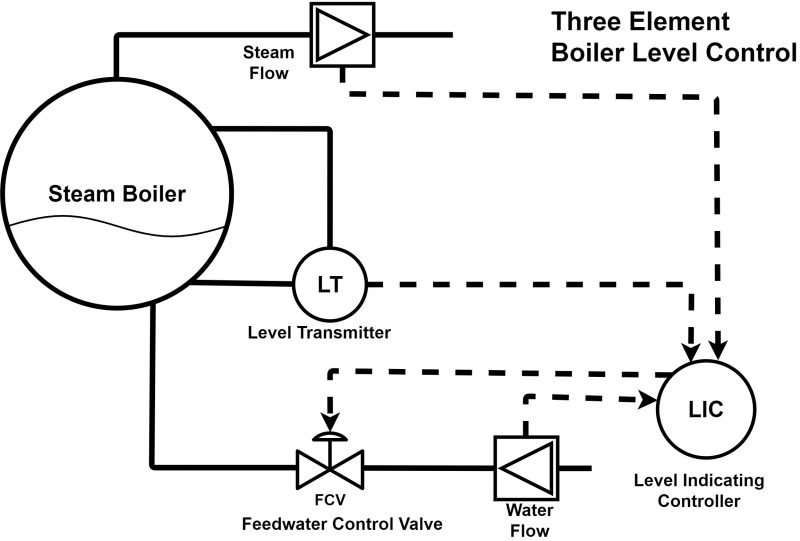
Maintaining the correct water level in the boiler drum is crucial for seamless steam production and efficient boiler operation. To achieve this, water must be consistently fed into the boiler as steam is expelled into the header and process equipment. Each volume of steam and blowdown exiting the drum must be replenished with an equivalent
Optimizing Boiler Performance: The Importance of Drum Level Control Read More »
Flow Meter vs Totalizer – What’s the Difference? [Malaysia Industrial Guide]
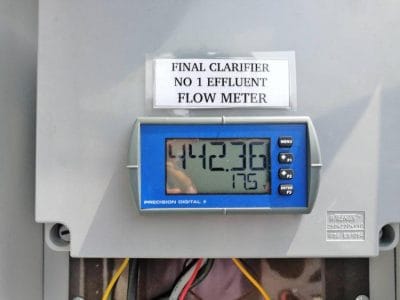
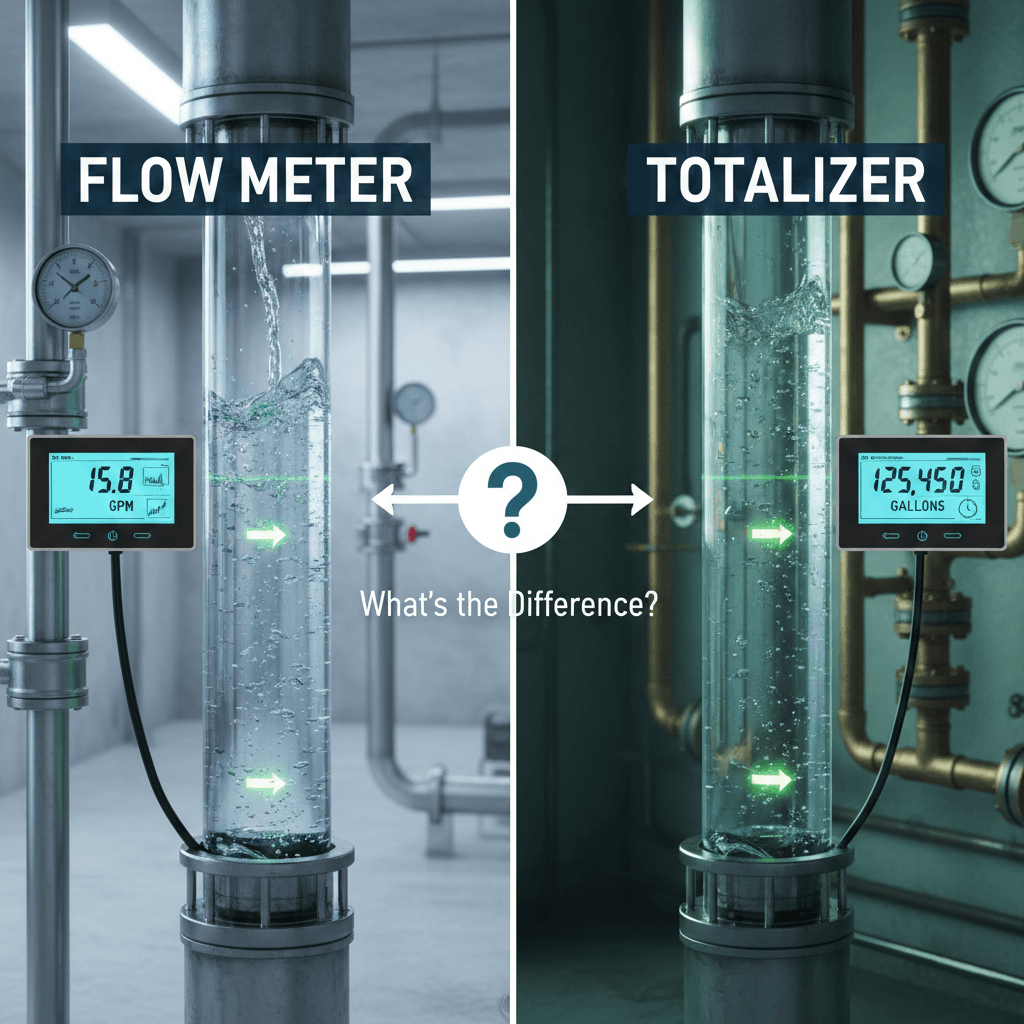
In industrial systems, two devices are often used to monitor flow: the Flow Meter and the Totalizer. While they’re related, they serve different purposes. Confusing the two can lead to wrong equipment selection, costing time and money. If you’re in process control, palm oil production, water treatment, or factory automation in Malaysia—this guide is for
Flow Meter vs Totalizer – What’s the Difference? [Malaysia Industrial Guide] Read More »
What Does “4–20mA Signal Loss” Mean and How to Fix It? [Malaysia Industrial Guide]
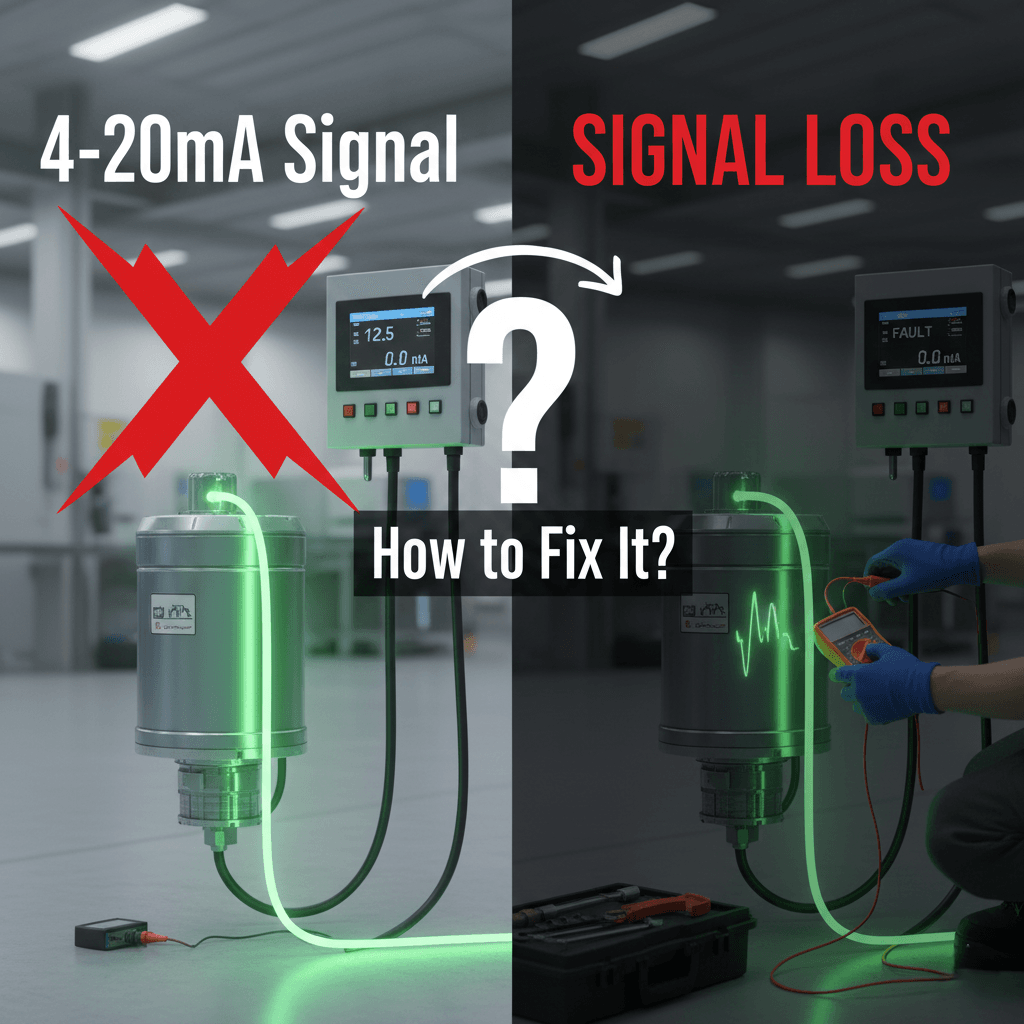
If your digital panel meter suddenly shows zero, your PLC input flatlines, or your transmitter stops responding — you might be experiencing 4-20mA signal loss. This is one of the most common issues faced in factories, refineries, and automation systems across Malaysia. Let’s break it down in simple terms. First, What Is a 4-20mA Signal?
What Does “4–20mA Signal Loss” Mean and How to Fix It? [Malaysia Industrial Guide] Read More »
Top 5 Applications of Setra Pressure Sensors in Industrial Systems (Malaysia Use Cases)
When it comes to precision pressure monitoring, Setra Systems is a trusted global brand—and proudly distributed by Celectric right here in Malaysia. From HVAC to cleanrooms and even industrial automation, Setra’s sensors are known for reliability, accuracy, and longevity. But what industries in Malaysia are using Setra pressure transmitters most? Let’s break it down. 1. HVAC
Top 5 Applications of Setra Pressure Sensors in Industrial Systems (Malaysia Use Cases) Read More »
Best Digital Panel Meters for Factory Use – Our Top Picks (Malaysia Guide)
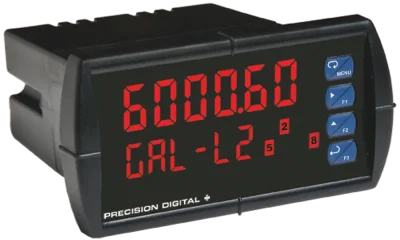
In today’s smart factory environment, having accurate, real-time display of readings like pressure, flow, temperature, or level is no longer a luxury—it’s a necessity. That’s where Digital Panel Meters (DPMs) come in. But with so many brands and models out there, how do you choose the right one for your industrial setup in Malaysia? Let
Best Digital Panel Meters for Factory Use – Our Top Picks (Malaysia Guide) Read More »
Simplify Your Calculations: Quick Guide to Calculating Range for Differential Pressure Level Transmitters!
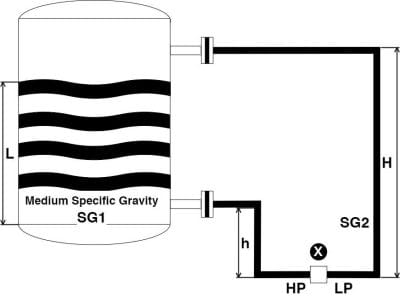
Differential Pressure (DP) level measurement is a widely used method in various industrial applications to measure fluid levels in tanks, silos, and other containers. This method works by measuring the pressure difference between two points, which is proportional to the height of the fluid in the container. The DP level measurement system consists of a
Understanding Working Principle of Vortex Flow Meter
Vortex Flow Meter can be used for a wide range of fluids, i.e. liquids, gases and steam. They are to be seen as first choice, subject to verification to cover the requirements of a particular application. Vortex meters are essentially frequency meters, since they measure the frequency of vortices generated by a “bluff body” or
Understanding Working Principle of Vortex Flow Meter Read More »

How Measurement and Control of Low Gas Flow Rates?
Introduction There are several fundamental measurement techniques for flow meters, such as: Electromagnetic Flow Meters Thermal Mass Flow Meters Coriolis Mass Flow Meters Differential Pressure Flow Meters Vortex Flow Meters Position Displacement Flow Meters (PD Flow Meters) Turbine Flow Meters Variable Area Flow Meters Other than the ones mentioned above, there are some less known
How Measurement and Control of Low Gas Flow Rates? Read More »
Electromagnetic Flow Meter Grounding Ring vs Grounding Electrode, which one to use?
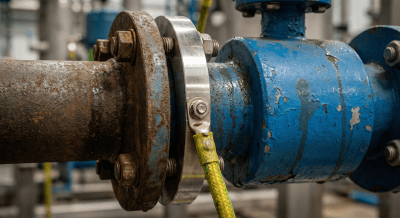
For any magnetic flowmeter to function correctly, it must have three connections (including a ground) to the process liquid passed from the magnetic flow tube onto the magnetic flow transmitter. About 80 percent of the time, problems with the flow measurement readings provided by a magnetic flowmeter can be traced directly to improper solution ground
Electromagnetic Flow Meter Grounding Ring vs Grounding Electrode, which one to use? Read More »
Five Most common Temperature Elements
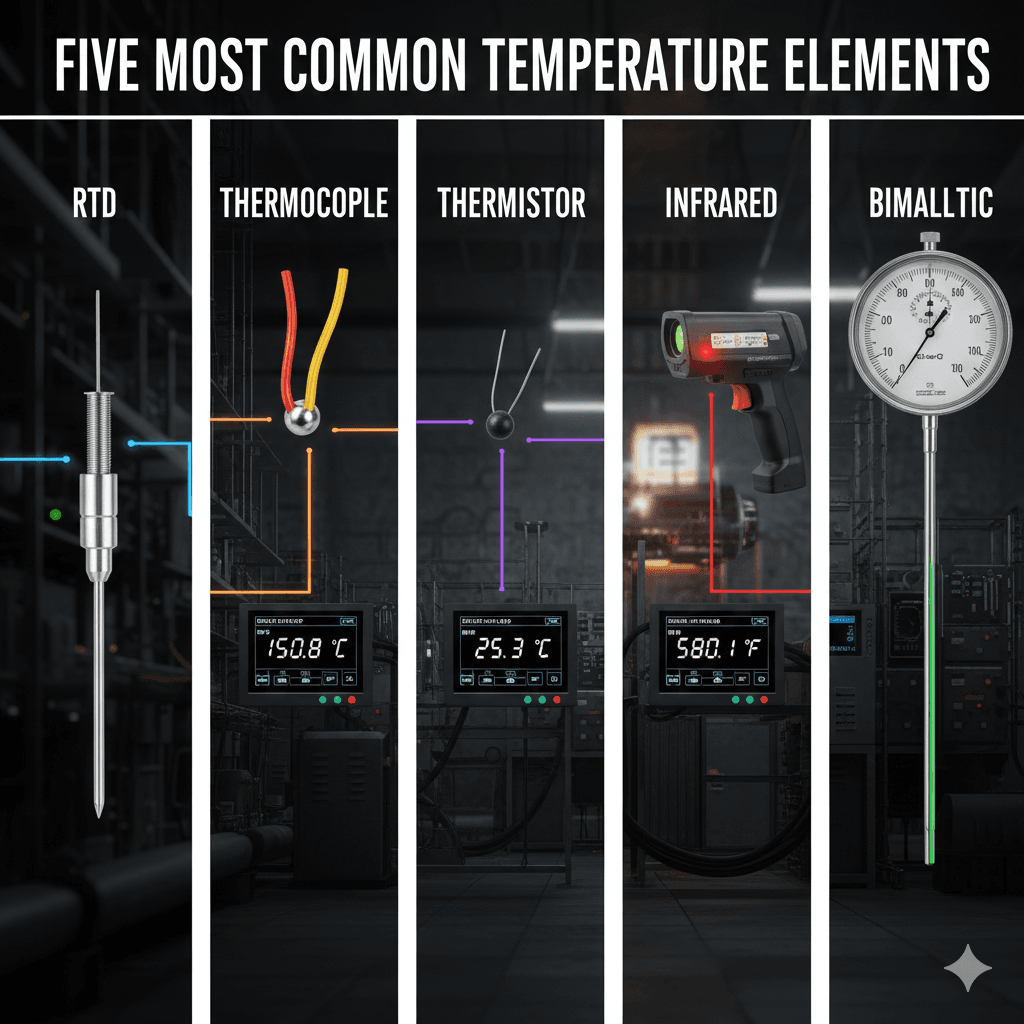
There are several temperature element types widely used to measure the temperature of a process substance. These types are categorized into mechanical temperature elements and electronic temperature elements. Mechanical temperature element uses the principle of thermal expansion, i.e. the element expands if the temperature rise and vice versa. Mechanical Based Temperature Element Solid element Bimetallic
Boosting Productivity: Unveiling the Power of Batch Controllers for Industrial Automation!
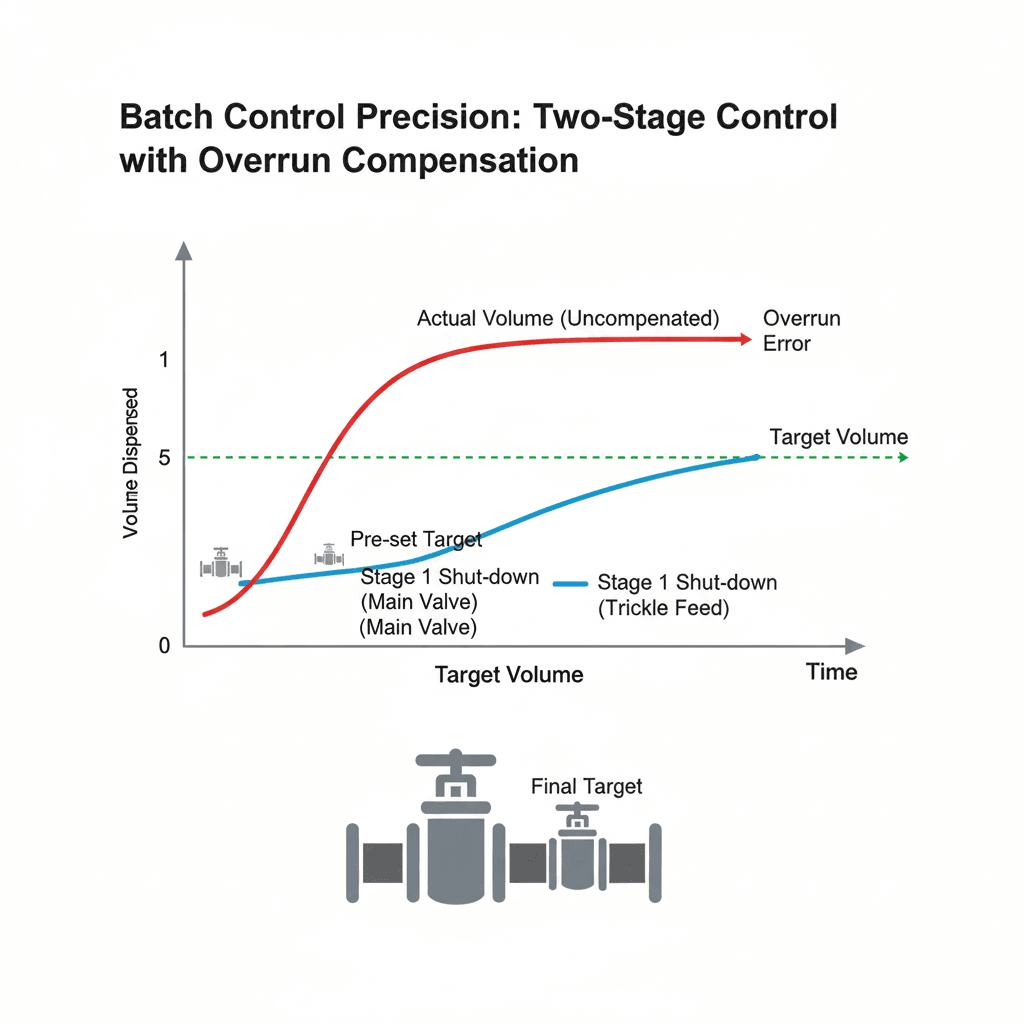
Batch controllers play a pivotal role in modern industrial and manufacturing processes, offering precision automation to streamline operations and optimize efficiency. But what exactly are batch controllers, and how do they contribute to the success of industrial endeavors? Let’s delve into the world of batch controllers to understand their significance and impact. Understanding Batch Controllers
Understanding the Different Types of Mechanical Pressure Sensors: Bourdon Tubes, Bellows, and Diaphragms
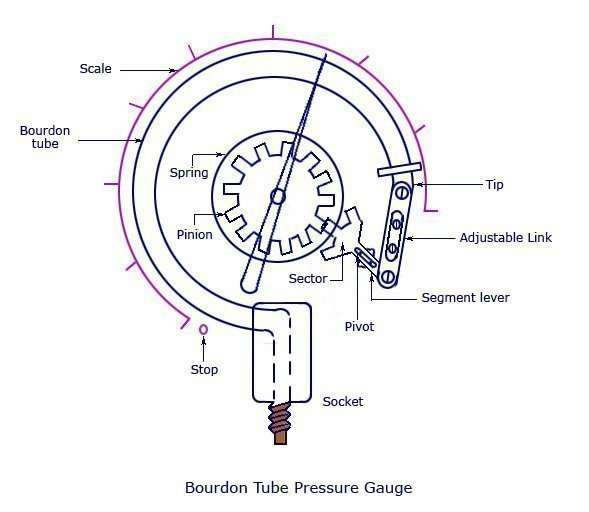
Bourdon Tubes A Bourdon tube is a metallic coil constructed from a metal tube, closed at one end and fixed to a pressure source at the other. It has the desired elasticity that makes the tube tends to deform to straighten under pressure. The pressure applied will results in the movement at the free end
Maximizing Efficiency with Batch Controllers: A Comprehensive Guide
In the dynamic landscape of industrial processes, efficiency is paramount. Whether you’re managing chemical production, food processing, or any other manufacturing endeavor, the precision of your operations is crucial. This is where batch controllers step in, offering a streamlined solution to optimize your production cycles. Understanding Batch Controllers Batch controllers are automated systems designed to
Maximizing Efficiency with Batch Controllers: A Comprehensive Guide Read More »

Mastering Consistency: The Crucial Role of Flame Control in Quality Assurance
Ensuring consistent quality in flame control is a prerequisite for seamless operations in various industries. At the forefront of this critical task is the stability of gas mixture or proportioning. In this blog post, we delve into the indispensable role of stable gas mixtures and how Vögtlin’s thermal mass flow controllers emerge as a game-changer
Mastering Consistency: The Crucial Role of Flame Control in Quality Assurance Read More »
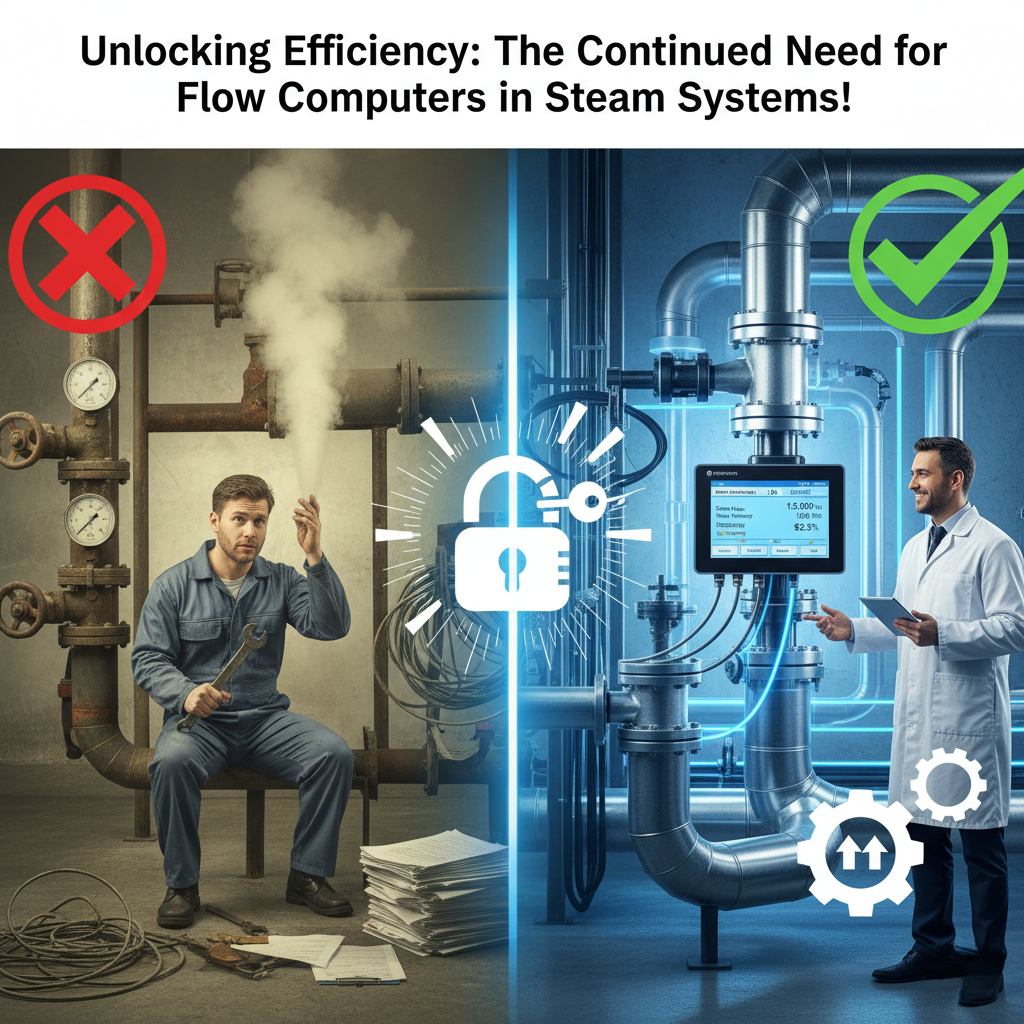
Unlocking Efficiency: The Continued Need for Flow Computers in Steam Systems!
Steam flow computers have been widely used in the steam industry for many years. Although some might think they are becoming obsolete, steam flow computers remain crucial to ensuring safe, reliable and efficient steam systems. In this article, we will explore the reasons why steam flow computers are still required for steam systems. 1. Accuracy
Unlocking Efficiency: The Continued Need for Flow Computers in Steam Systems! Read More »
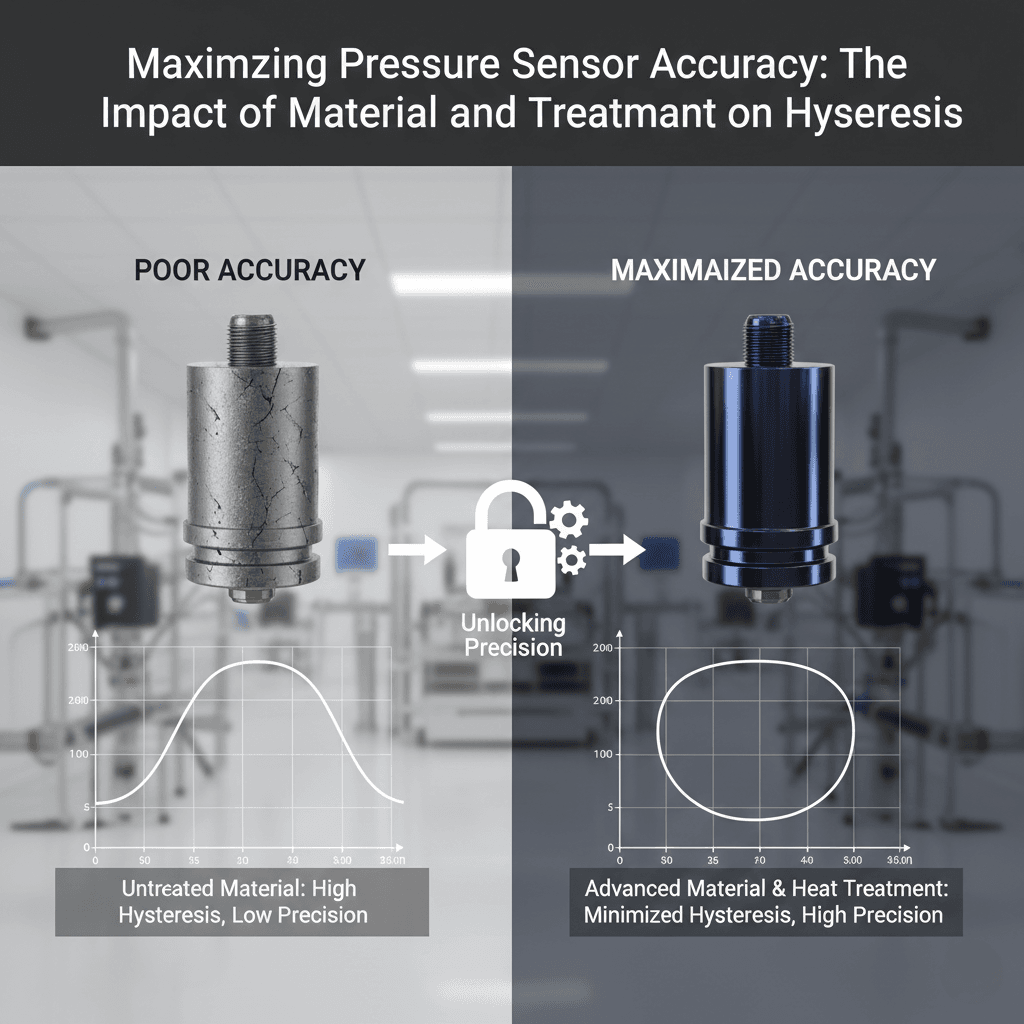
Maximizing Pressure Sensor Accuracy: The Impact of Material and Heat Treatment on Hysteresis
Hysteresis is a common occurrence in various physical systems, including pressure sensing. It describes the delay or lag in a physical response to changes in external conditions or forces. In the case of pressure sensing, hysteresis can cause the diaphragm within the sensor to not immediately return to its original position after pressure changes. This

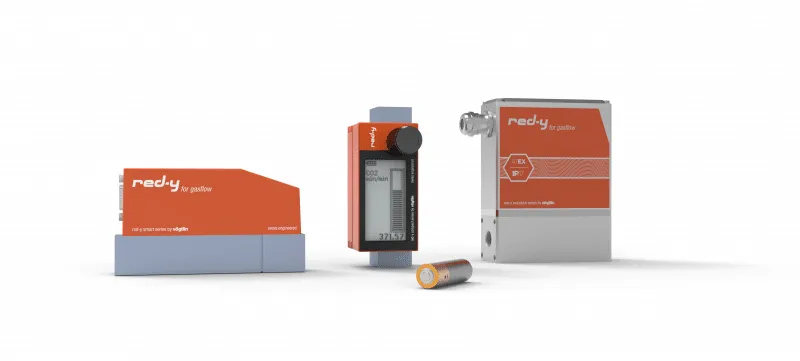
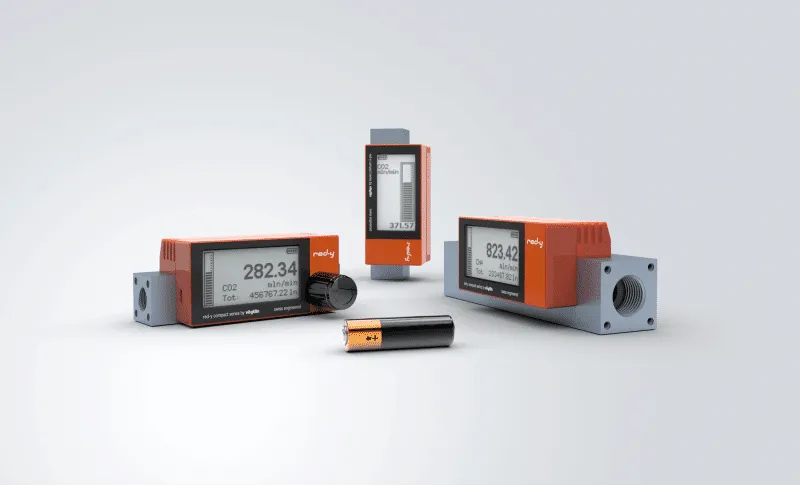
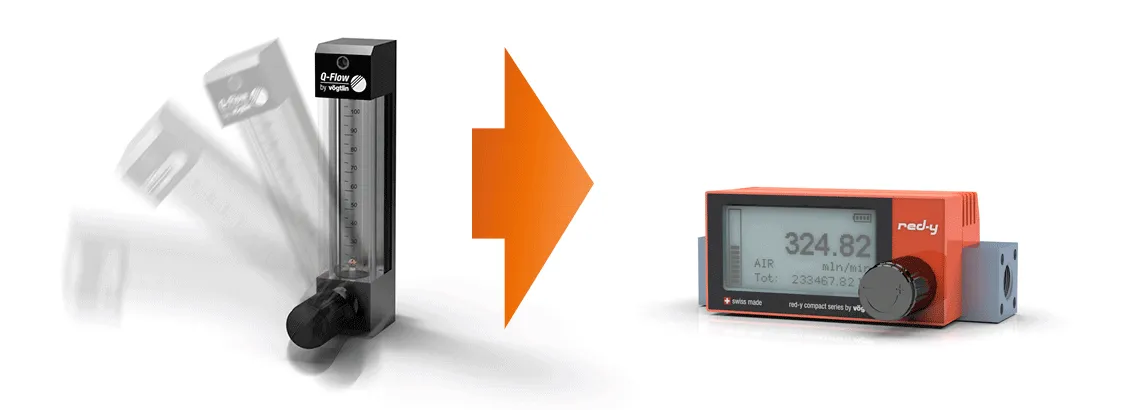
Vögtlin Red-y Compact: The Versatile Multi-Gas Mass Flow Meter/Controller with Real Gas Calibration and Battery Power Option
Technology has transformed our daily lives with advancements like the Internet, cloud computing, and mobile phones. However, in the world of process instrumentation, change has been slow to come. That is until now. Vögtlin Instruments has introduced a new design in the form of the Red-y Compact Mass Flow Meter, which provides a better user
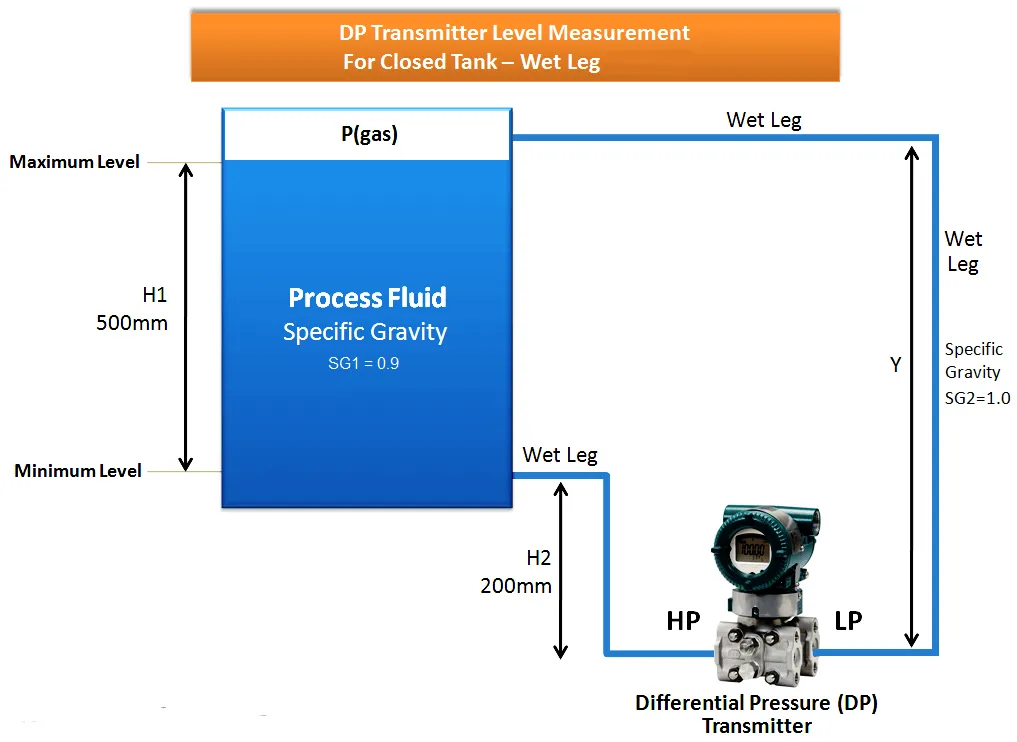
Maximizing Accuracy: Achieving Superior Level Measurement with Differential Pressure Transmitters!
The atmospheric tank’s difference is that the pressurized tank is an enclosed container with vapor pressure applied over the liquid, and the value of the vapor pressure may vary over time. Since the vapor pressure can not be neglected; therefore, it should be measured by both pressure inlets of the DP level transmitter. This could

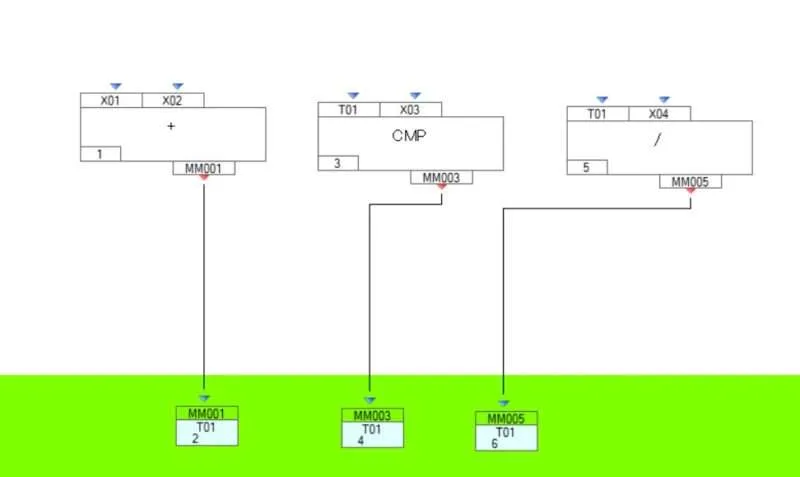
Effortless Conversion: Transforming Yokogawa YS1700 Text Programs into Function Blocks – A Step-by-Step Guide!
The Yokogawa YS1700 is a programmable logic controller (PLC) that was launched by Yokogawa, a leading provider of industrial automation and control solutions. Although the exact launch date is not known, it is believed to have been released around 2008, based on the discontinuation of its predecessor, the Yokogawa YS170. The YS1700 offers a range
Magnetic Flow Meter – Principle and Application
What is Magnetic Flow Meter A magnetic flow meter (mag meter, electromagnetic flowmeter) is a transducer that measures fluid flow by the voltage induced across the liquid by its flow through a magnetic field. A magnetic field is applied to the metering tube, which results in a potential difference proportional to the flow velocity perpendicular to the flux

How to perform Gas Sampling using Digital Mass Flow Meter?
How to perform Gas Sampling using Digital Mass Flow Meter The Vögtlin red-y compact 2 meters is used as the heart of a reliable automatic in the analytical world, low-cost gas sample taking the device. Emission or environment measurements often demand periodic sampling of a fixed amount of gas and collect them in containers or sample bags.
How to perform Gas Sampling using Digital Mass Flow Meter? Read More »
Why is Vortex Flow Meter calibration with water?
Vortex flow meters are widely used in various industries for measuring the flow of liquids, gases, and steam. Calibration is essential to maintain their accuracy and performance. Here’s why water is commonly used for calibrating these flow meters. 1. Universality of Water Water is a universal fluid, readily available and widely used in calibration processes
Why is Vortex Flow Meter calibration with water? Read More »
Basic understanding of Pressure Measurement
What is Pressure Measurement? In industrial settings, pressure measurement is critical for the safe and efficient operation of equipment and processes. Along with flow, level, and temperature, it is one of the four most important measurements in plant operations. Of these four measurements, pressure is often considered the most fundamental and common. By measuring pressure,
3 main types of Pressure Sensors
There are many types of Electrical and Mechanical Sensors in the market. Still, all pressure sensor infer pressure by measuring a physical change within the sensor when exposed to pressure changes. This physical change can be resistance, capacitance, or frequency. Here would like to review all types of Pressure Sensors used with industrial pressure transmitters, explain of the sensor, hence advantages, and
Why using a Temperature Transmitter?
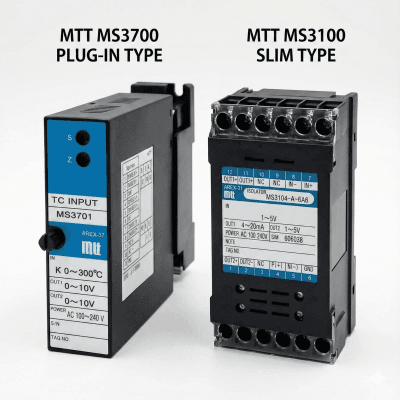
In the temperature measurement system, an electronic temperature instrument needs to connect to a control system. In contrast, RTD and thermocouple can be directly wired to the control system inputs card or via Temperature Transmitter for signal conversion. Most of the applications, the temperature transmitter are used to convert thermocouple or RTD signal into 4~20mA
Pressure Instruments Protection – Diaphragm Seals
Pressure Instruments often damage by Corrosive chemicals, High Viscose liquid, high temperature, therefore protection of the pressure instruments from these harsh process conditions is necessary. A seal can be a mechanical isolator between process and instrument, or it can be part of piping filled with fluid. These protection methods most commonly apply to pressure transmitters,
Pressure Instruments Protection – Diaphragm Seals Read More »
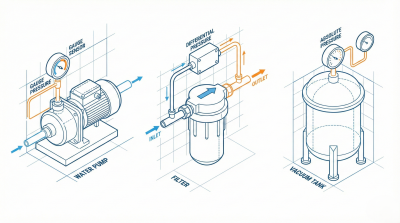
Right Pressure Transducer for Critical Environments
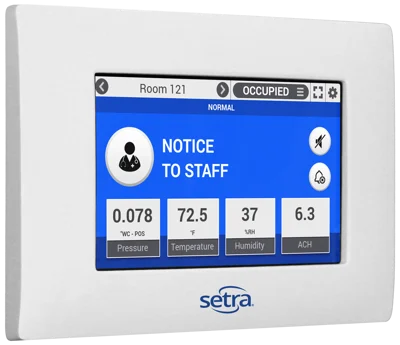
Selecting a low differential pressure transducer (DPT) for critical care ventilation is one of the most important decisions mechanical designers, engineers, and architects can make. These transducers perform precise monitoring and contamination control of isolation room pressures in critical environments. When properly selected and installed, they help prevent communicable diseases like tuberculosis (TB). The positive
Right Pressure Transducer for Critical Environments Read More »

Sensors for Ventilators
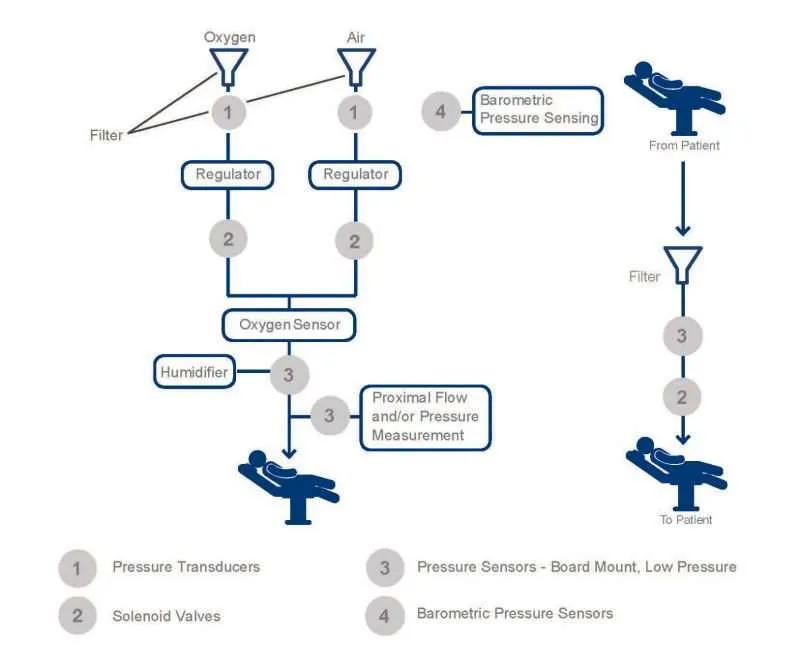
A ventilator is designed to move air or a mixture of gases into and out of the patient’s lungs to either assist in breathing, or, in some cases, mechanically breathe for the patient who is breathing insufficiently or is physically unable to breathe Pressure Transducers – For Ventilator Testing Setra Model ASL Setra’s Model ASL

Liquid Control and Monitoring Solutions for Commercial Ships
Gems provides fluidic solutions such as flow switches, pressure transducers, indicators, transmitters, and receivers, as well as pre-assembled fluidic systems for use in tanks, cooling systems, auxiliary equipment, and propulsion systems onboard ships Pressure monitoring solutions for vessels Ship applications include level arms, pump control, level monitoring, flow confirmation, and pressure switch monitoring for potable and
Liquid Control and Monitoring Solutions for Commercial Ships Read More »

Understand the Hazardous Area Classifications
Hazardous Area Classification When three fundamental components: Flammable Substance (Which can be gas, liquid, or solid), an oxidizer, and a source of ignition, form the hazardous area. The flammable substance can be anything from gasses and liquids such as hydrogen, gasoline, and kerosene to solid particulates such as dust or small fibers. The oxidizer is

5 Reasons why Remote Level Display still required.
Level is one of the most commonly measured process parameters in a wide range of applications and industries. Available level transmitters range from mechanical floats and contact probes to radar and ultrasonic sensors. Whatever the type, these transmitters are almost commonly difficult and dangerous to access. Even if a display is included, the small built‐in
5 Reasons why Remote Level Display still required. Read More »
How Capacitive Level Switch Works
A capacitor is a two-terminal device that consists of two conducting bodies separated by a non-conducting (dielectric) material. Below is a simple capacitor consisting of two plates. To create a more usable geometry for sensors, the electrodes can be arranged in various ways. Though this complicates the above expression for capacitance, the overall relationship between
Contrec 505 Product End of Life Notification
Due to the obsolescence of several components used in the production of Contrec 505 Series Instrumentation, Contrec Manufacturing has made the decision to promptly transition the 505 Applications to the advanced 515 platforms, effective from May 2019. The main benefits are for 515 platforms are: Same instrument housing, display and operator interface Selectable analog or

Mass Flow Controller in Low emission glass manufacturing (Low-E)
In the realm of Low-E glass manufacturing, vacuum magnetron sputtering stands out as a premier coating technique employed globally. Central to this process is the meticulous control of gas flow within a vacuum environment, achieved through the precise calibration of a high-performance mass flow controller (MFC). This critical control ensures the maintenance of a stable
Mass Flow Controller in Low emission glass manufacturing (Low-E) Read More »
New Contrec 424 Batch Controller and 425 Flow Computer
Contrec New 424 Batch Controller & 425 Flow Computer Contrec never stands still and always looking for innovative ways to make good flowmeters even better. When Contrec’s 414 Batch Controllers and 405 Flow Computers were first released in 1992, they quickly became the industry standard for accurate and reliable flow monitoring and control. So good
New Contrec 424 Batch Controller and 425 Flow Computer Read More »